
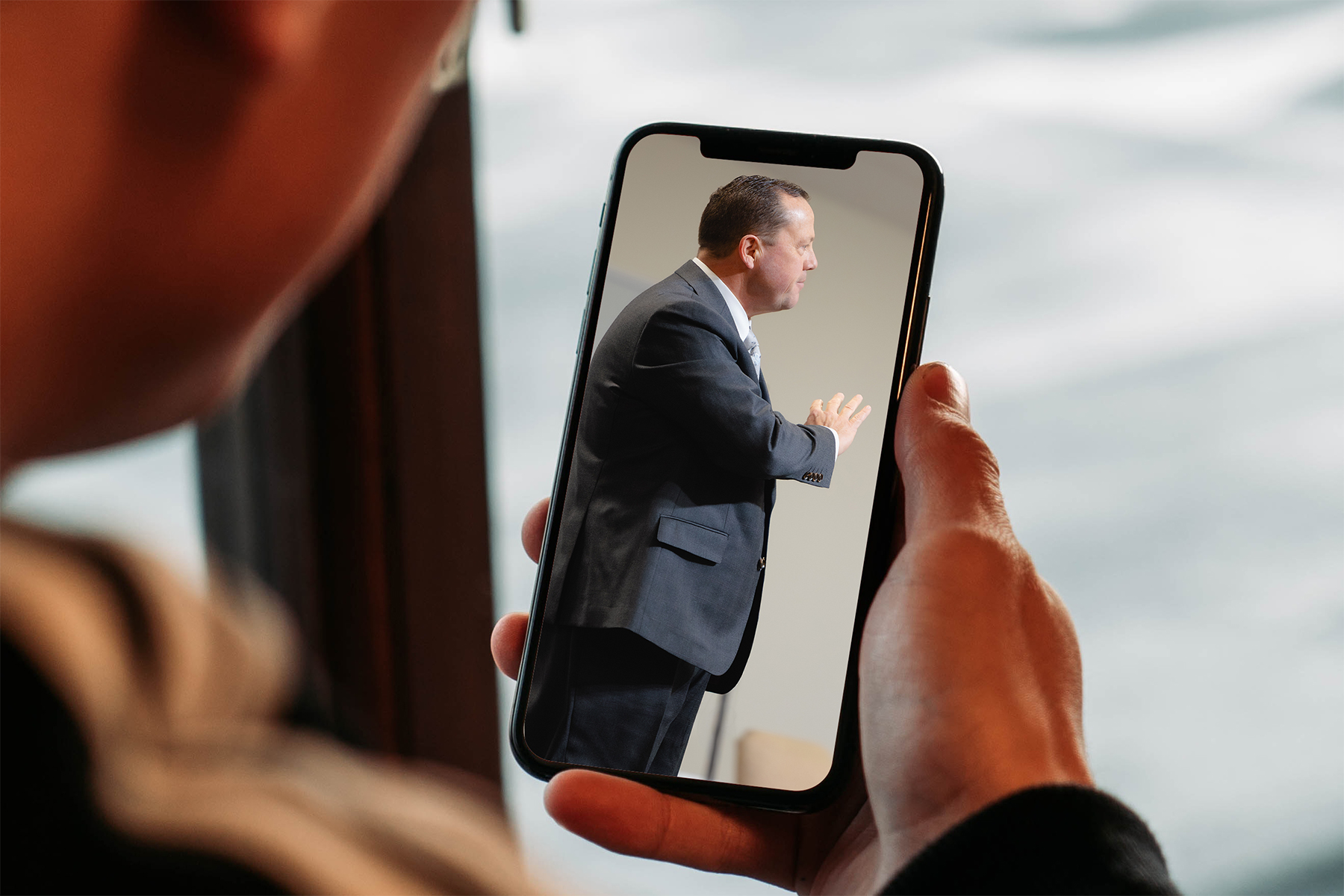
For many years, churches were hesitant to use social media, as many pastors saw the negative side of these platforms. They saw the division, the gossip, and the inappropriate photos and videos that are prevalent online.
Some saw it as a waste of time and felt it was simply unnecessary. After all, the early churches didn’t have Facebook, and they did just fine.
But things have changed over the past few years.
More churches are livestreaming their services and posting online. This thing that once seemed optional is now a powerful way to reach people who might never walk into a church.
These social media apps have become incredibly popular. Roughly 6 billion people use the internet worldwide, and there are now more than 5.6 billion social media user accounts.
Social media platforms have become places where people spend a lot of time. The average person spends more than 18 hours per week on social media.
If churches want to reach more people, they must take social media more seriously.
Sermons Often Stay Inside the Church Walls
Pastors spend many hours each week preparing sermons meant to encourage believers and reach the lost. However, those messages are often only heard by the people sitting in the building. And after the service ends, the message often disappears.
For the past fifteen years, I’ve worked in church media. During the COVID shutdowns, our church—like just about every church in America—started livestreaming our services. The goal was simply to make the services available for all those who couldn’t attend in person.
But as we started to return for in-person services, we noticed an issue (and an opportunity). Outside of our church members, most people were not going to watch an entire sermon online. And even more importantly, most non-members didn’t even know the sermons existed.
The sermons preached every week reached nobody outside the church walls.
Small Churches Can Reach Large Audiences
Our church isn’t a large church. But through consistent posting of short-form content like Sermon Clips, our reach online grew a ton.
Before we started posting regularly, only a handful of people watched our livestreams, and very few people outside of our local area knew about our church.
But that began to change over time. As we continued posting and experimenting with different types of content, we learned a lot about what worked and what didn’t.
Our videos started reaching more people online, and our social media following kept growing. We were having conversations with viewers online about salvation and baptism. We were helping people find good churches to attend in other states.
After a few months, we started seeing changes in person, too. More visitors started coming to our church and telling us they found us online and watched our videos before deciding to visit.
Our small-town church was able to reach so many more people. And not just in our local community, but across the country, as well.
The Problem Isn’t Ability—It’s Consistency
The biggest problem churches have with social media isn’t a lack of technology, but a lack of consistency.
Many church accounts remain inactive for weeks at a time. And when they do post, it’s to promote an event or to copy a trending video. But their sermons often go unused.
The most valuable content a church has is already being created each church service. And with social media, those messages can reach far beyond just that one service.
Social Media Should Support In-Person Outreach
Of course, social media should never replace in-person outreach. Door-to-door soul-winning and personal invitations obviously remain a vital function of the local church.
But social media can absolutely support those efforts.
It allows churches to:
- Encourage members during the week
- Share Bible truth with people who may never attend church
- Reach people far beyond their local area
- Introduce visitors to the church before they ever walk through the doors
Every church has a unique audience that only they can reach online. An audience of people who may never hear the Gospel, even through the best in-person efforts.
The Biggest Barrier Churches Face
Many pastors simply don’t have the time or the staff to manage social media and post consistently.
Many church media teams are already stretched incredibly thin. They have to manage sound systems, livestreams, IT, and social media. Not to mention, many staff and volunteers are also working in more than one ministry.
Because of this, social media often becomes something churches know they should do, but don’t actually have the time to do well.
A New Opportunity for Churches
Social media for churches isn’t about the next trend or trying to become famous. It is, however, another powerful way to extend the reach of the Gospel.
150 people might hear your sermon on Sunday morning, but it could reach thousands more online. And one of those viewers may be someone who would never attend church otherwise.
For churches willing to take social media seriously, the opportunity to reach people is greater than ever before.